How to Size Home Battery Storage (Step-by-Step)
A practical worksheet: daily kWh, backup days, depth of discharge, and inverter limits—using the same math BigBattery's sizing tools employ.
Energy4Solar Team · June 27, 2026·9 min read
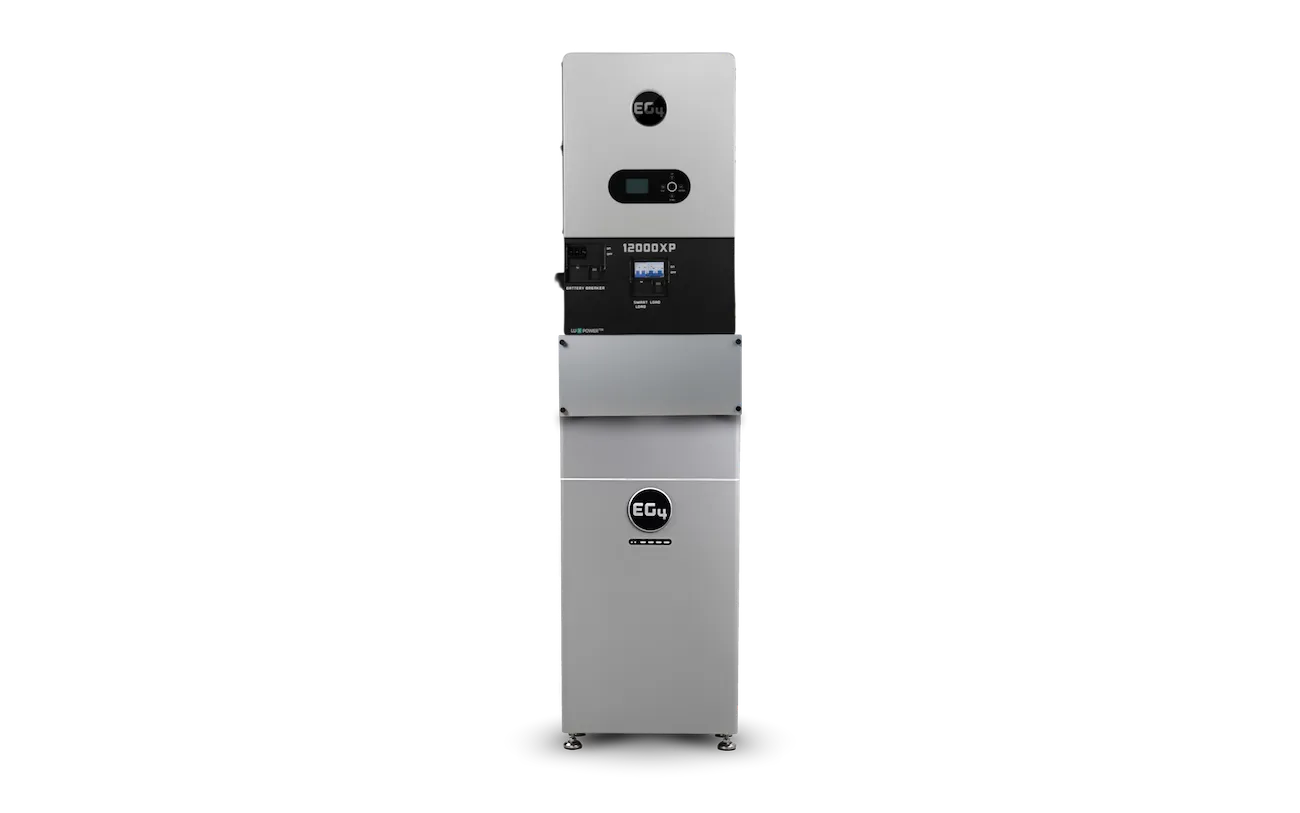
Oversized batteries waste money; undersized batteries fail during the first real outage. Use this worksheet before buying any home ESS—including BigBattery NEXUS, WallMount, or ETHOS systems.
Step 1: Daily energy use
Pull 12 months of utility kWh or use smart meter data. Divide by 30 for average daily use. Solar homeowners should use **net load** (consumption minus solar production).
Step 2: Define backup goal
- **Critical loads only** (fridge, lights, internet): often 5–10 kWh/day - **Whole home, selective circuits**: 15–30 kWh/day - **Whole home, no shedding**: may exceed 30 kWh—verify inverter kW limits
Step 3: Backup duration
Multiply daily critical kWh by **days of autonomy** (1–3). Grid outages in your region inform this number.
Step 4: Apply depth of discharge
Divide by usable DoD (0.9 for quality LiFePO4):
**Required nameplate kWh ≈ (daily kWh × days) / DoD**
Step 5: Check inverter power
Batteries don't run microwaves—inverters do. Ensure continuous and surge watts cover startup loads (pumps, compressors).
Step 6: Future expansion
Modular systems (ETHOS, stacked NEXUS) reward planning extra rack space even if you buy fewer modules today.
Run your numbers in the Energy4Solar calculator, then compare recommended kWh to BigBattery kits on our shop.