12V vs 24V vs 48V: Choosing the Right Battery Voltage
BigBattery sells 12V through 72V lines. Here's how to match voltage to RV, home ESS, golf cart, and industrial applications.
Jordan Blake · June 27, 2026·7 min read
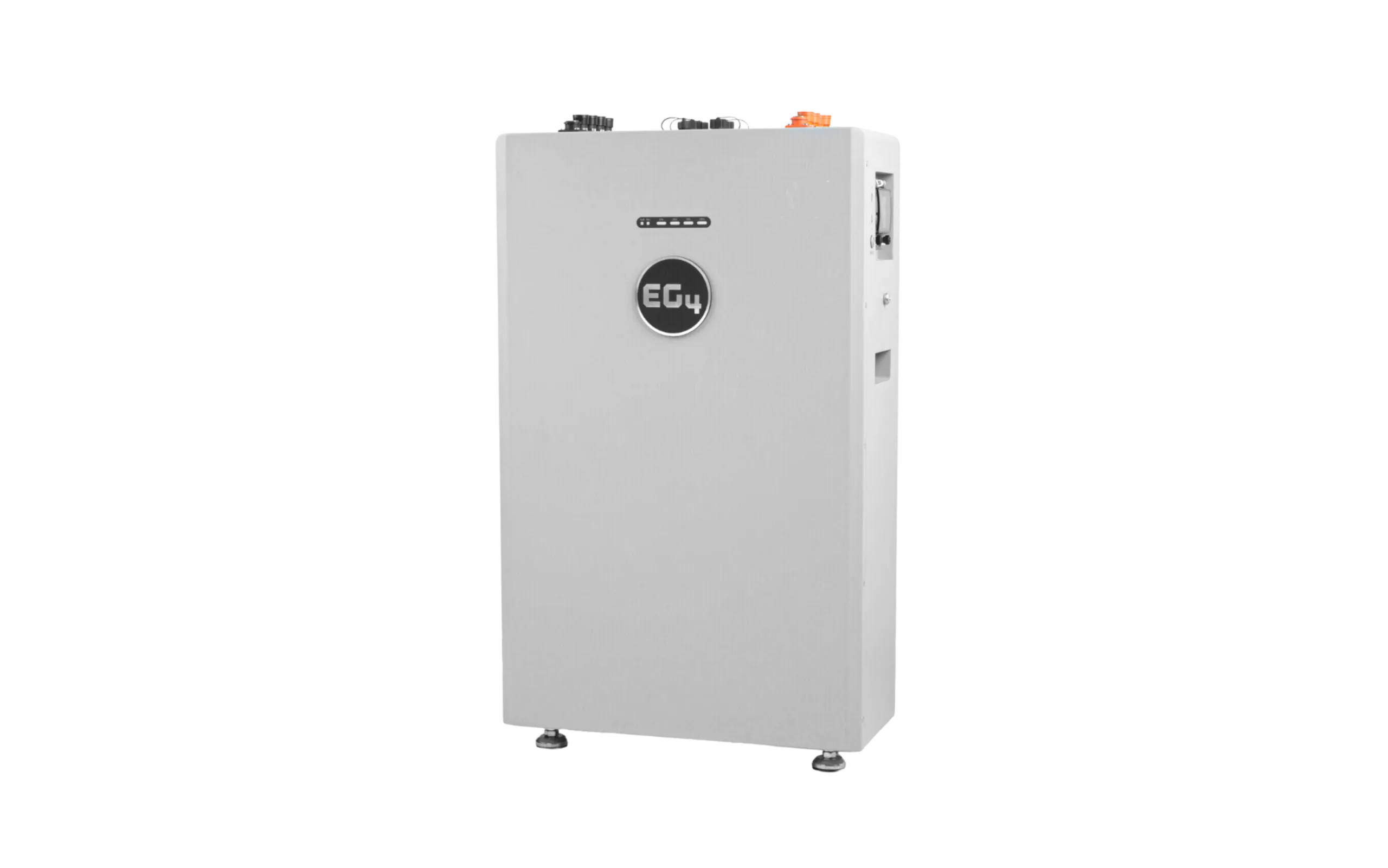
Voltage is the foundation of every battery purchase. BigBattery organizes its catalog by application and voltage: **12V, 24V, 36V, 48V, 72V**.
12V — RV, marine, small solar
- Universal compatibility with automotive-style gear - Higher current for the same watts (thicker cables) - Best below ~3 kWh or when replacing single 12V banks
24V / 36V — mid-size and legacy equipment
- Common in some industrial and golf applications - 36V EAGLE 2 kits serve specific cart platforms
48V — home ESS and performance carts
- Sweet spot for **home energy storage** and large inverters - Lower current = thinner wire runs between battery and inverter - BigBattery NEXUS, WallMount 314Ah, and many ESS kits are 48V-native
72V+ — industrial
Forklifts, sweepers, and commercial fleets often need higher nominal voltage for efficiency.
Rule: match the inverter/charger
Never mix chemistries or voltages on one bus. Your battery nominal voltage must align with charger, inverter, and solar MPPT input specs.
When in doubt, BigBattery's sizing quiz and phone support can validate architecture before you buy cells.
